Every year, many ANM (Auxiliary Nurse Midwife) and GNM (General Nursing and Midwifery) graduates from India aspire to build rewarding healthcare careers in Australia. While becoming a registered nurse is a common goal, the pathway often involves meeting Australian nursing registration requirements, including qualification assessments, English language proficiency, and regulatory approvals. For those exploring additional career opportunities, enrolling in a Community Services course in Australia offers a valuable alternative or complementary pathway. This guide explains how Indian ANM and GNM graduates can transition into Community Services, the transferable skills they already possess, career opportunities available after graduation, and how studying with edept and Actus can support a successful career journey in Australia.
Why Many Indian ANM and GNM Graduates Explore Alternative Career Pathways
For many ANM and GNM graduates from India, the ambition is to carve out a successful healthcare career in Australia. Although nursing is one of the most chosen career paths, opting for a Community Services course in Australia is another way through which people can open doors to diverse opportunities in their careers in the healthcare industry. The Community Services course does not negate the nursing profession but adds to the knowledge of healthcare by focusing on person-centred services and support for well-being in the community.
Australian Nursing Registration Can Take Time
In order to work as a registered nurse in Australia, one has to comply with the required standards according to the nursing regulatory body in Australia. This might include the assessment of qualifications, the requirement for an English language test, and others. That is why many Indian nurses who graduated from the Associate Degree in Nursing (ANM) or General Nursing Midwifery (GNM) decide to take a complementary route towards gaining Australian experience.
Growing Demand Beyond Hospitals
Australia’s healthcare workers aren’t just confined to hospitals. The growing need for home care, disability support, aged care, mental health services, and family support has opened up countless job opportunities for skilled personnel in the community sector. According to Jobs and Skills Australia, the Health Care and Social Assistance industry is projected to add more than 250,000 new jobs by 2034, making it one of Australia’s fastest-growing employment sectors. Source: Jobs and Skills Australia – Employment Projections.
Expanding Community Care Services in Australia
The increasing aging population and the rise of independent living in Australia have resulted in greater demand for community care programs in Australia. According to the Australian Institute of Health and Welfare (AIHW), “millions of Australians receive services through aged care, disability, family and community services every year,” emphasizing the importance of skilled individuals.
Multiple Career Opportunities in the Care Sector
Completing a Community Services course in Australia can prepare graduates for a variety of meaningful careers across the community care sector. ANM or GNM graduates could look forward to employment as a Community Support Worker, Disability Support Worker, Residential Support Worker, Family Support Worker, Community Services Officer, or Case Management Assistant based on their qualifications and preferences.
Read more: Is Nursing a Good Career in India?
What Is Community Services?
Community Services is a professional discipline that aims at enhancing the well-being, self-reliance, and quality of life of individuals and communities. Community Services professionals offer assistance both practically and emotionally to individuals who face issues in their lives, such as health and social problems. Upon completion of the Community Services course in Australia, one acquires the necessary theoretical and practical skills to deliver person-centred services.
Supporting Individuals and Communities
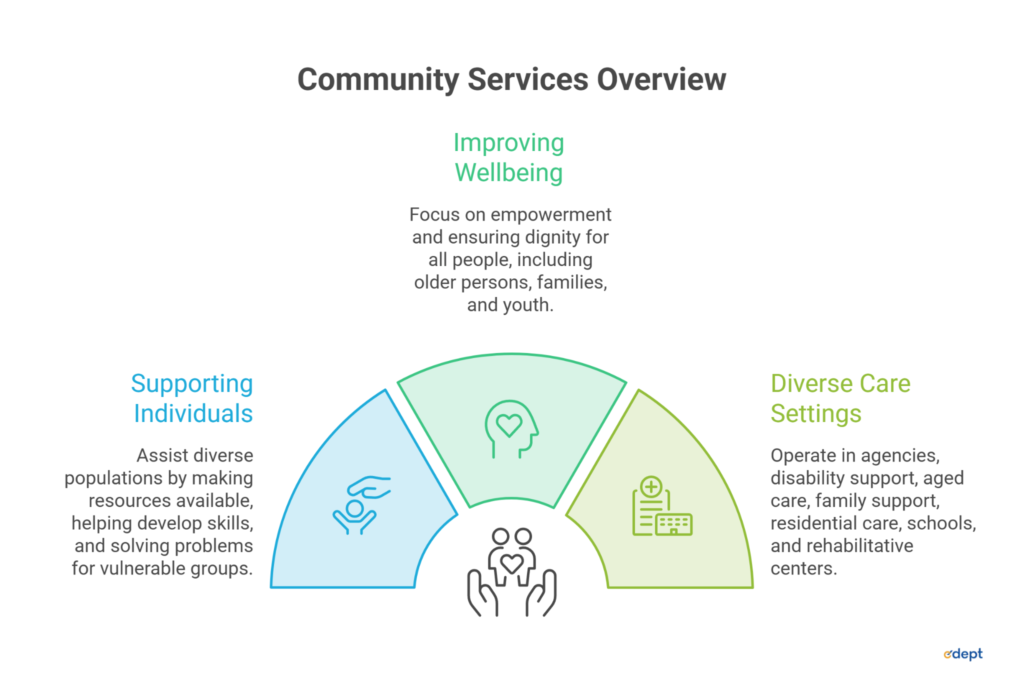
Community Service workers assist diverse populations by making resources available to them, helping them develop skills, and solving problems that they encounter. They help older persons, persons with disabilities, families, children, youth, and vulnerable people to get the services and supports that they need.
Improving Wellbeing and Independence
Community Service workers assist diverse populations by making resources available to them, helping them develop skills, and solving problems that they encounter. They help older persons, persons with disabilities, families, children, youth, and vulnerable people to get the services and supports that they need.
Working Across Different Care Settings
Community Services practitioners operate in various settings based on the requirements of the clientele they serve. Such settings include community agencies, organizations that offer disability support, aged care, family support, residential care, schools, rehabilitative centers, and outreach programs.
Why ANM and GNM Graduates Are Well-Suited for Community Services
Indian ANM and GNM professionals are well equipped with knowledge and skills relating to patient care, communication, empathy, and health promotion. This means that they will be able to transfer easily from their profession to that of Community Services, once they have undergone the Community Services course in Australia.
Experience in Patient Care
Another key strength that ANMs and GNM students offer Community Services is their firsthand experience of providing patient care. They get to learn the process of assisting people in different health situations while ensuring that they remain comfortable, dignified, and safe.
Personal Care
Providing personal care is a core responsibility in both nursing and Community Services. ANM and GNM graduates already understand how to assist individuals with personal hygiene, grooming, mobility, nutrition, and other daily care needs while respecting privacy and individual preferences.
Monitoring Wellbeing
The training offered in nursing education enables the learner to detect changes in the patient’s condition both physically and emotionally and also detect symptoms of pain and inform accordingly. Such observation skills are very useful in community-based care facilities.
Assisting with Daily Activities
Supporting individuals with everyday tasks is another area where nursing experience transfers naturally. Whether assisting with mobility, meal preparation, medication reminders (where appropriate), or encouraging independence, nursing graduates understand how to provide practical support while promoting dignity and self-confidence.
Strong Communication Skills
Effective communication lies at the heart of both nursing and Community Services. ANM and GNM graduates spend considerable time interacting with patients, families, doctors, and multidisciplinary healthcare teams. These experiences help them build communication skills that are essential for successful community-based care.
Patient Interaction
Healthcare professionals develop skills in communicating procedures, addressing queries, soothing people who are nervous, and respectful communication with individuals of varied backgrounds. Professionals in the field of Community Services require the very same communication skills to gain trust, understand their needs, and provide appropriate assistance.
Family Communication
Community care often involves working closely with family members, guardians, and caregivers. Nursing graduates are already familiar with discussing patient needs, providing updates, and addressing concerns with empathy and professionalism.
Documentation
Documentation skills are other examples of transferable skills among nurses. This is because the ANM and GNM graduates know how important it is to document any observations, maintain confidentiality, and communicate information effectively. In Community Services, the practitioners will keep records for their clients, document any support activities, produce reports, and continue providing quality service delivery.
Empathy and Compassion
Technical skills are not sufficient for success in Community Services. Compassion, empathy, patience, and concern for other people are as essential. ANM and GNM students spend many years helping patients while they are ill, recovering, delivering babies, etc.
Understanding Health and Wellbeing
ANM and GNM education provides graduates with a broad understanding of health, wellness, disease prevention, and safe care practices. While Community Services is not a clinical healthcare profession, this knowledge remains highly valuable when supporting clients across different community settings.
Basic Healthcare Knowledge
The training that graduates receive from nursing includes knowledge of anatomy, health problems, diet, cleanliness, movement, and other basics of patient care. The knowledge that the graduates have makes them realize when more healthcare is needed and collaborate with healthcare practitioners.
Infection Control Awareness
Safe work practices are essential in both nursing and Community Services. ANM and GNM graduates receive training in infection prevention, hygiene protocols, hand hygiene, personal protective equipment (PPE), and maintaining safe environments.
Health Promotion
Health promotion extends beyond treating illness. Community Services professionals encourage healthy lifestyles, social participation, independence, and access to appropriate support services. Nursing graduates already understand the importance of preventive care, nutrition, exercise, health education, and early intervention. These principles align closely with Community Services’ focus on improving long-term wellbeing and helping individuals achieve better life outcomes.
Experience Working With Diverse Population
ANM and GNM graduates regularly care for people from different age groups, cultures, socioeconomic backgrounds, and health conditions. This experience prepares them well for Australia’s diverse community care environment. Community Services professionals support:
- Older adults
- People with disabilities
- Families
- Children
- Youth
- Individuals experiencing social disadvantage
- Culturally and linguistically diverse communities
What Students Learn in the ANM and GNM Community Services Programme
A Community Services course Australia equips students with the practical knowledge, interpersonal skills, and workplace experience needed to support individuals, families, and communities effectively. Rather than focusing solely on theory, the programme emphasises real-world learning that prepares students to work confidently in Australia’s community care sector.
Communication and Client Support
Effective communication is fundamental to Community Services. Students learn how to build professional relationships, actively listen to clients, communicate with empathy, and respond appropriately to individual needs. They also develop skills in documentation and collaborating with families, colleagues, and other service providers to ensure coordinated client support.
Person-Centred Care
The program helps students learn how to focus on each individual when providing support. The learners get to know how to respect the preferences, culture, values, and aspirations of clients while promoting independence and dignity.
Working With Diverse Communities
The Community Services professionals will be dealing with people belonging to diverse socio-economic backgrounds. The students will learn about cultural awareness, communication skills, and how to offer support to elderly people, people with disabilities, families, children, youth, and disadvantaged groups.
Professional Ethics
One of the major aspects that are essential to learn from the course is the maintenance of ethical and professional conduct. The learners acquire an appreciation for concepts such as confidentiality, privacy, professional boundaries, duty of care, workplace conduct, and ethics-based decision-making.
Community Development
The students become familiar with the way in which Community Services helps to build stronger and more inclusive communities. The programme teaches skills in recognizing the needs of the community, stimulating participation, assisting local projects and linking people with relevant resources.
Case Management Fundamentals
This programme teaches students the basics of case management, such as assessing the needs of the client, creating an appropriate support plan, and coordinating resources. The students will learn how to work with clients and a multidisciplinary team to provide help and achieve personal objectives.
Advocacy and Referral Services
Community Services professionals often help clients navigate complex support systems. Students learn how to advocate for individuals, protect their rights, and connect them with appropriate healthcare, housing, education, employment, financial, and social support services.
Also read: Nursing Course guide
Practical Learning and Industry Placements
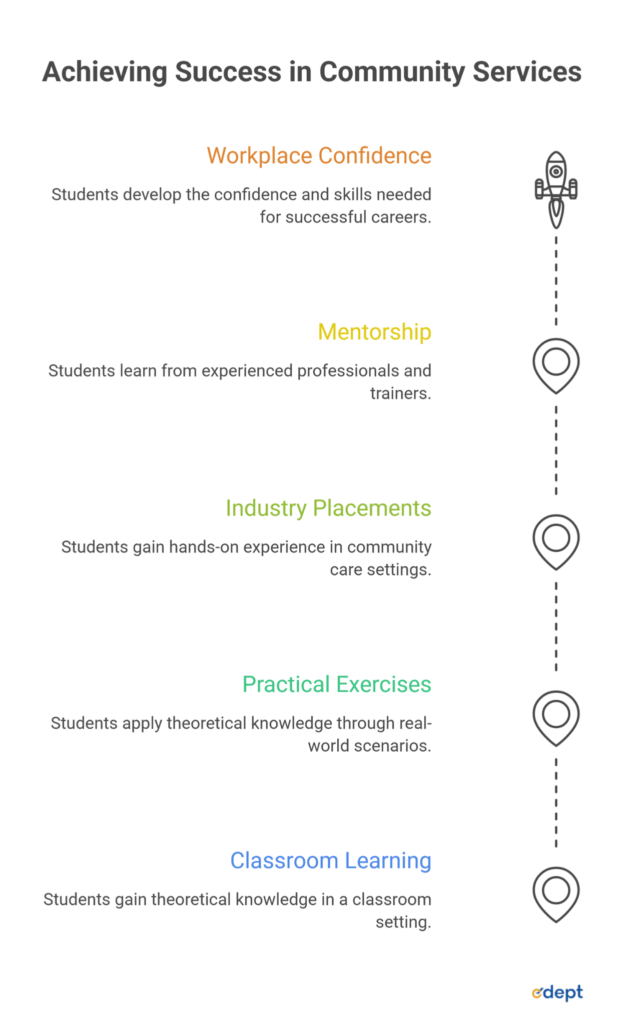
The Community Services course Australia at Actus combines classroom learning with practical training and industry placements to prepare students for real workplace environments. This hands-on approach helps learners develop the skills, confidence, and experience needed for successful careers in Australia’s community care sector.
Learning Through Real Workplace Scenarios
Students take part in practical exercises that reflect real Community Services situations. These activities help them apply theoretical knowledge, strengthen problem-solving skills, and gain confidence before entering professional workplaces.
Industry Placements
Industry placements give students valuable hands-on experience in community care settings. Working with real clients under supervision allows them to develop practical skills while understanding workplace expectations and professional responsibilities.
Working With Experienced Professionals
Throughout the programme, students learn from experienced trainers and industry professionals. Their guidance helps learners understand best practices, improve practical skills, and gain valuable insights into Australia’s Community Services sector.
Building Workplace Confidence
Through the integration of practical learning and industry placements, Actus prepares the students to be employment-ready. The graduates gain the required confidence, communication skills, and work experience to ensure their successful entry into the Community Services sector in Australia.
Career Opportunities After Completing Community Services
Graduates of a Community Services course Australia can pursue a variety of rewarding roles across aged care, disability support, family services, and community organisations. These occupations continue to experience strong demand across Australia’s growing community care sector, offering opportunities for career growth and professional development.
Community Support Worker
Community Support Workers assist clients with daily living activities while promoting independence and wellbeing. They typically work in homes, community organisations, and aged care settings, with opportunities to progress into senior support or coordination roles.
Disability Support Worker
Disability Support Workers help people with disabilities achieve greater independence through personalised care and daily support. They work in residential, community, and in-home settings and can advance into team leader or specialist support positions.
Family Support Worker
Family Support Workers provide guidance and practical assistance to families facing personal or social challenges. They are employed by community agencies and non-profit organisations, with pathways into case management and family services.
Community Services Officer
Community Services Officers connect individuals with essential support programmes and community resources. They work in government departments, charities, and community organisations, with opportunities to move into programme coordination or management.
Residential Support Worker
Residential Support Workers support individuals living in residential care facilities by ensuring their safety, wellbeing, and daily needs are met. With experience, they can progress into supervisory or residential care management roles.
Case Management Assistant
Case Management Assistants support case managers by maintaining client records, coordinating services, and monitoring support plans. They commonly work in healthcare and community organisations, providing a strong pathway into case management and client services careers.
How Community Services Differs From Nursing
Although nursing and Community Services both aim to improve people’s quality of life, they focus on different aspects of care. Nursing primarily involves clinical assessment, treatment, and medical care, while Community Services focuses on helping individuals achieve greater independence, wellbeing, and social inclusion.
| Nursing | Community Services |
| Focuses on clinical healthcare and patient treatment | Focuses on community-based support and wellbeing |
| Commonly works in hospitals, clinics, and healthcare facilities | Commonly works in community organizations, disability services, and aged care settings |
| Involves medical treatments and clinical care | Provides social, emotional, and practical support |
| Professional registration may be required for nursing practice | Employment is based on relevant qualifications and employer requirements |
| Emphasises diagnosis, treatment, and clinical outcomes | Emphasises independence, inclusion, and quality of life |
Skills That Help ANM and GNM Graduates Succeed
Being successful in the Community Services industry in Australia is not simply dependent on technical ability alone. Workers should have good interpersonal skills, be able to collaborate, and offer a supportive and people-centric approach. Graduates of ANM and GNM programs already have most of these transferable skills.
Active Listening
Active listening facilitates better understanding of clients’ needs and preferences. It establishes rapport, fosters communication, and creates an opportunity for providing person-centred support. Active listening is a necessary skill when dealing with diverse people in the Australian healthcare sector.
Documentation
Proper documentation is key to accurate and confidential recording of client information. This makes effective teamwork and continuation of care possible. Proper record-keeping is very appreciated in the community care sector.
Cultural Sensitivity
Australia is home to culturally diverse communities with different backgrounds and needs. Cultural sensitivity enables professionals to provide respectful, inclusive, and individualised support. It helps build positive relationships with clients and their families.
Teamwork
Community Services professionals regularly collaborate with healthcare workers, support staff, and community organisations. Strong teamwork improves service delivery and ensures clients receive coordinated care. Employers value individuals who contribute positively to multidisciplinary teams.
Critical Thinking
Critical thinking skills assist workers to evaluate circumstances and determine the need of their clients before making sound decisions. It enables problem-solving without neglecting the right kind of referral to be made.
Professional Communication
Clear and respectful communication is essential when interacting with clients, families, colleagues, and external agencies. It helps prevent misunderstandings and supports positive working relationships. Effective communication is a key expectation across Australia’s care sector.
Time Management
Effective management of various tasks leads to effective support for others. Time management will help the person to prioritize the requirements of the clients, fill out documents, and meet the standards of work.
Student Support Available in Auctus for ANM and GNM Graduates
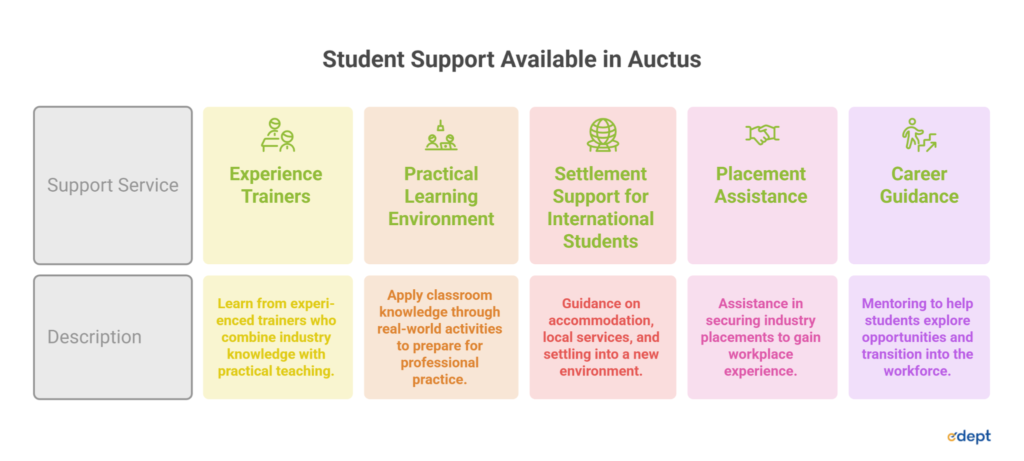
Students at Auctus get all the help they need in their studies. From expert trainers to placement support and help with settling down, the institute ensures that students have everything they need to succeed in their careers in Australia’s Community Services industry.
Experience Trainers
Students learn from experienced trainers who combine industry knowledge with practical teaching. Their guidance helps learners develop job-ready skills and confidence.
Practical Learning Environment
The programme offers a practical learning environment where students apply classroom knowledge through real-world activities. This hands-on approach prepares them for professional practice.
Settlement Support for International Students
Actus provides settlement support to help international students adjust to life in Australia. This includes guidance on accommodation, local services, and settling into a new environment.
Placement Assistance
Students receive assistance in securing industry placements, allowing them to gain valuable workplace experience and strengthen their employment prospects.
Career Guidance
Actus offers career guidance and mentoring to help students explore opportunities, prepare for employment, and confidently transition into Australia’s Community Services workforce.
Challenges Indian Students May Face
However, migrating to Australia to study and work in Community Services might have some difficulties. With adequate education, training, and help from Actus, individuals are able to settle down successfully.
Adapting to Australian Workplace Culture
Australian workplaces value professionalism, teamwork, and respect for diversity. Students can adapt by participating in practical training, asking questions, and learning workplace expectations during industry placements.
Understanding Community Care Standards
Australian community care involves a person-centred approach and ethics. Gaining knowledge of industry standards through classroom teaching and placement makes it possible to offer high-quality assistance with assurance.
Building Professional Confidence
It can be difficult to start a new profession in a foreign country. Practical exercises, comments from trainers, and experience in the work environment will boost self-confidence of students.
Improving English Communication
Effective communication plays an important role in dealing with both customers and co-workers. Daily practice of English, class discussion, and placement communication may be very helpful in this regard.
Why Choose edept and Auctus for Community Services?
Edept and Auctus Training Institute provide a structured pathway for students who want to study, gain practical experience, and build careers in Australia’s Community Services sector. Through recognized qualifications, practical learning, and ongoing student support through industry exposure, they help students prepare for professional success.
Nationally Recognized Qualification
Students earn Australian nationally recognised qualifications delivered by Auctus, an RTO and CRICOS-registered training provider. These qualifications are recognised across Australia and respected internationally.
Industry-Relevant Practical Learning
The programmes combine classroom learning with practical training, workshops, coaching, and mentoring to help students apply their knowledge in real workplace situations.
Experienced Trainers
Students learn from experienced trainers who provide practical guidance in a supportive learning environment. The focus is on building confidence, developing professional skills, and helping students achieve their career goals.
Real-World Placements
Industry placements are an important part of the learning experience, allowing students to gain practical exposure while developing workplace skills that improve employability.
Student Support Throughout the Journey
From application guidance to settlement support in Australia, Edept and Actus assist students throughout their journey. Students also receive mentoring, practical guidance, and support in accessing services as they settle into their new environment.
Career-Focused Learning
The programmes are designed to prepare students for employment through recognised qualifications, practical experience, and pathways to higher education and community services careers.
Step-by-Step Transition Roadmap for ANM and GNM Graduates
Transitioning from ANM or GNM to the Community Services field in Australia will be facilitated through a systematic process. This process will enable one to acquire necessary skills, gain experience, and eventually secure employment.
Evaluate Your Career Goals
Identify whether you want to work in disability support, aged care, family services, or community development. Having clear career goals will help you choose the most suitable learning pathway.
Choose the Right Community Services Programme in between ANM and GNM
Select a nationally recognised Community Services programme that aligns with your qualifications and career aspirations. Consider factors such as practical training, industry placements, and future study pathways.
Complete Practical Learning
Be an active learner in classroom sessions, workshops, and practical training. Practicing your skills is essential for your future job and professional development.
Gain Industry Placement Learning
Complete your industry placement to gain real-world experience in Australian community care settings. Placements help you apply your learning, understand workplace expectations, and strengthen your resume.
Build Professional Networks
Network with trainers, work placement supervisors, fellow students, and industry professionals. Creating a solid network of professionals may prove useful in the future.
Apply for Community Services Roles
Apply for suitable jobs in Community Services after your qualification and work placement. Make sure that your resume highlights your nursing experience and qualifications.
Future Outlook for Community Services Professionals in Australia
Australia’s Community Services sector is expected to continue growing due to changing demographics and increasing demand for personalised care. Qualified professionals are likely to find diverse employment opportunities across aged care, disability support, and community organisations.
Growing Ageing Population
The ageing of Australia’s population will increase the need for workers able to assist elderly people with their day-to-day activities and wellbeing needs, ensuring a sustained demand for such professionals.
Expansion of Disability and Community Care Services
Expansion of disability services and community care means that more job openings are being created. Employers are looking for qualified individuals who can provide person-centered support in community settings.
Increased Demand for Qualified Support Workers
Since there is an increasing need for community support, employers keep on hiring graduates who are experienced and qualified to do the job.
Long-Term Career Progression Opportunities
Community Services allows students to advance in their careers and move into senior support positions, case management, program coordination, and even leadership positions. There is room for further study as well.
Conclusion
Indian ANM and GNM graduates already possess many of the compassion, communication, and patient care skills valued in Australia’s Community Services sector. By developing additional knowledge in person-centred care, community support, and Australian workplace practices, they can confidently transition into a rewarding and in-demand profession. Through nationally recognized qualifications, practical learning, real-world industry placements, experienced trainers, and comprehensive student support, Edept and Actus Training Institute help students prepare for meaningful careers serving diverse communities across Australia. Whether your goal is to support older adults, people with disabilities, or families, this pathway offers opportunities for professional growth while making a positive impact on the lives of others.
Related Links:
| First-Year of Community Services at Adelaide | GNM vs ANM |
| Admission Mistakes Nursing Students must avoid | BSc Nursing Courses in India |